PLM Software in 2026: Bridging the Collaboration Gap for Product Success
Product lifecycle management (PLM) software is evolving to meet the demands of modern product development, focusing on collaboration and accessibility. Choosing the right PLM solution is critical for unifying teams, streamlining processes, and driving product success.
Product lifecycle management (PLM) software is becoming increasingly critical for businesses striving to optimize product development, enhance collaboration, and meet ever-demanding efficiency targets. Companies are turning to PLM solutions to unify engineering and design processes, create a central repository of product information, and ultimately, develop superior products more efficiently.
Why Invest in PLM?
A well-implemented PLM system acts as a digital thread, connecting all teams with the data and resources they need throughout the product lifecycle. This is especially vital as companies face pressure to accelerate innovation and improve product quality. However, selecting the right PLM tool is crucial. Traditional PLM systems often present limitations, particularly in cross-functional visibility. These systems can be heavily geared towards technical teams, restricting access and hindering collaboration with non-technical departments like marketing, sales, and customer support.
Beyond Traditional PLM: The Rise of Collaborative Platforms
The next generation of PLM emphasizes broader accessibility and seamless communication. Modern solutions aim to break down silos and foster a more integrated approach to product development.
Key Considerations When Choosing a PLM Solution
When evaluating PLM software, consider the following factors:
- Cross-functional Visibility: Does the system provide easy access to product information for all relevant teams, regardless of their technical expertise?
- Collaboration Features: Does it offer robust communication and collaboration tools to facilitate seamless interaction between departments?
- Integration Capabilities: Can the PLM software integrate with other essential business systems, such as ERP, CRM, and CAD software?
- Scalability: Can the solution scale to accommodate your company's growth and evolving needs?
- User-Friendliness: Is the system intuitive and easy to use, minimizing the learning curve for all users?
Top PLM contenders for 2026
Several PLM solutions are emerging as leaders in the field. These include:
- Siemens Teamcenter
- Dassault Systèmes
- Autodesk Fusion 360 Manage
- PTC Windchill
- OpenBOM
- Jira Product Discovery
- Trace One
- Propel PLM
The Role of Work Management Platforms
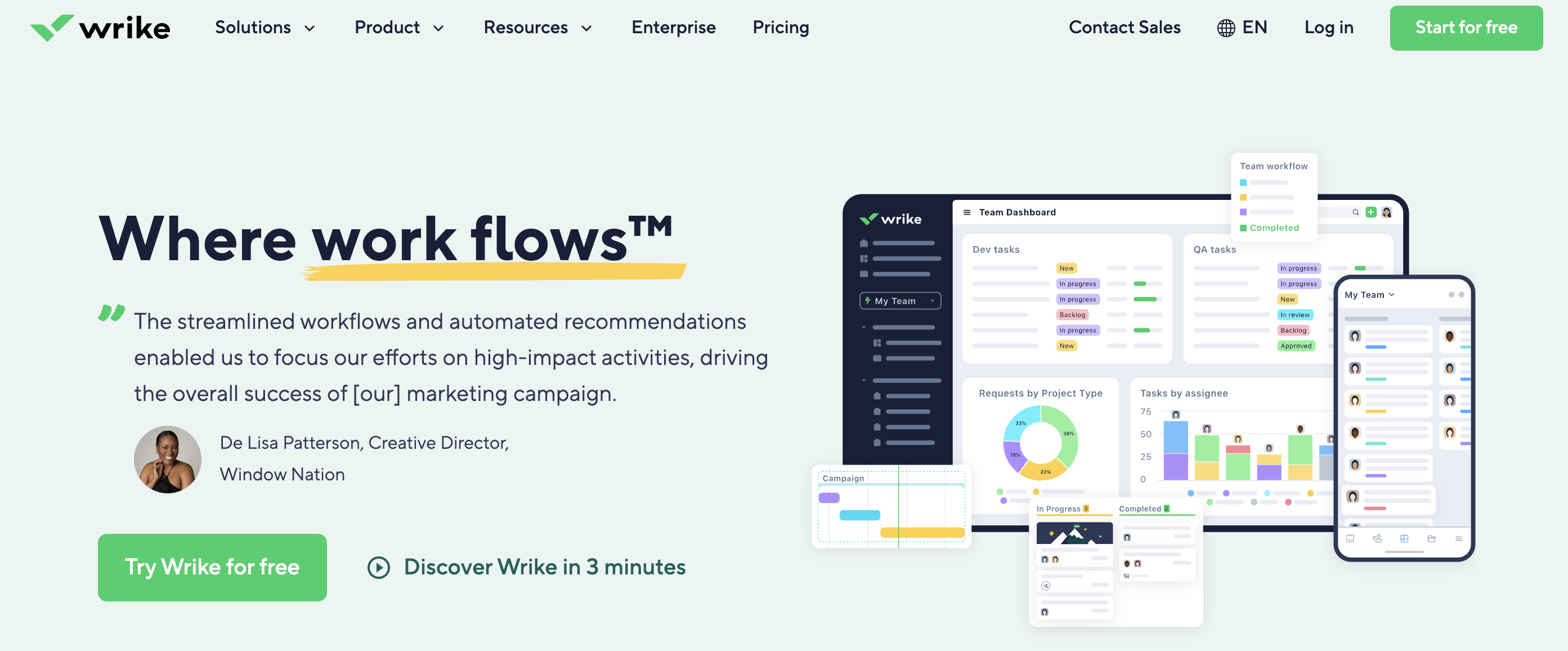
In addition to dedicated PLM systems, work management platforms like Wrike are playing an increasingly important role in managing the product lifecycle. These platforms provide a centralized hub for planning, tracking, and collaborating on product-related tasks, offering enhanced visibility and control over the entire process. They excel at connecting traditionally siloed teams.
Wrike: A Centralized Hub for PLM
Wrike, for example, offers a comprehensive work management system providing unparalleled visibility into the product lifecycle. It facilitates effortless communication between engineers, manufacturers, product development teams, and the rest of the organization. By centralizing information and workflows, Wrike helps to eliminate bottlenecks, improve communication, and accelerate product development cycles. The platform acts as a single source of truth providing clarity, visibility, and performance tracking for all teams involved in product lifecycle management.
The Future of PLM
As we look towards 2026, the future of PLM will be defined by increased collaboration, enhanced integration, and a greater focus on user experience. Companies that embrace these trends and invest in modern, collaborative PLM solutions will be well-positioned to thrive in an increasingly competitive market. Selecting the right PLM software is a strategic imperative, enabling businesses to develop innovative products, improve efficiency, and drive sustainable growth.
Related Articles
Beyond Policy: How Wrike's 'Women of Wrike' Initiative Empowers Female Professionals
Wrike's 'Women of Wrike' (WoW) initiative is an employee-led program empowering female professionals through mentorship, workshops, and networking. WoW addresses challenges women face in career advancement, fostering a supportive environment and promoting equity within the company.
Bridging the Gap: Integrating Construction Project Management with QuickBooks for Financial Harmony
Integrating project management software with QuickBooks streamlines financial workflows, reduces errors, and enhances communication for construction teams. Key features to consider include job-level tracking, progress invoicing, and time-based labor cost allocation.
Wrike Streamlines Franchise Onboarding for Buzz Franchise Brands, Boosting Efficiency
Buzz Franchise Brands streamlined its franchise onboarding process using Wrike, transforming a fragmented, multi-platform system into efficient, centralized workflows. This resulted in significant time savings, improved task tracking, and enhanced visibility across teams, enabling the company to scale its franchise operations more effectively.