Agency Management Software: Streamlining Workflows for 2026 Success
Agency management software is evolving into a comprehensive solution, consolidating key functions into a single platform for streamlined workflows and improved collaboration. Professionals should carefully evaluate features like workflow management, creative collaboration tools, and integrated financial management when selecting the right software for their agency.
The Rise of Integrated Agency Management Software
Marketing agencies face a constant barrage of challenges: managing diverse client projects, coordinating creative teams, tracking billable hours, and staying within budget. Traditionally, agencies have relied on a patchwork of individual tools to handle these tasks, leading to inefficiencies and communication silos. However, a new generation of integrated agency management software is emerging, promising to streamline workflows and boost overall operational efficiency.
This software aims to be a comprehensive solution, consolidating project management, collaboration, resource allocation, time tracking, and financial oversight into a single platform. By bringing these core functions together, agencies can gain a unified view of their operations, improve team coordination, and make data-driven decisions.
Essential Features to Look For
When evaluating agency management software, several key features should be considered:
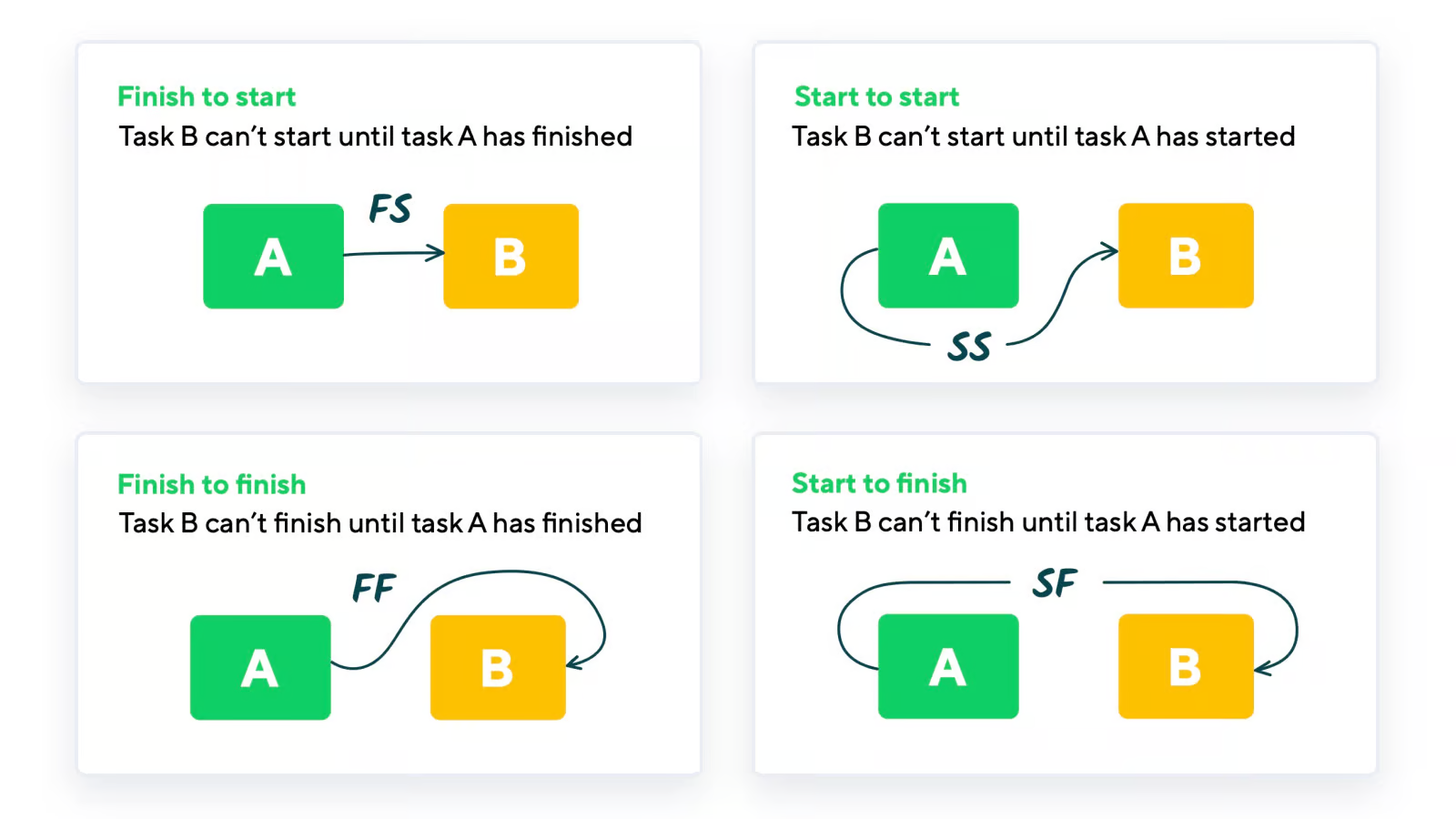
- Workflow Management: The ability to define, automate, and track project workflows is crucial. This includes features like task assignment, dependency mapping, and progress monitoring.
- Creative Collaboration Tools: Seamless collaboration is essential for creative teams. Look for features like shared workspaces, file sharing, version control, and feedback mechanisms.
- Resource and Capacity Planning: Efficiently allocating resources and managing team capacity is vital for profitability. Features like resource calendars, workload visualization, and capacity forecasting can help optimize resource utilization.
- Time Tracking: Accurate time tracking is essential for billing clients and monitoring project costs. Integrated time tracking features can simplify the process and ensure accurate billing.
- Integrated Financial Management: Connecting project management with financial management provides real-time insights into project profitability. Features like budgeting, expense tracking, and invoicing can help agencies stay on top of their finances.
Benefits of a Unified Platform
The primary advantage of agency management software is its ability to consolidate core workflows into a single system. This eliminates the need to switch between multiple applications, reducing the risk of errors and improving overall efficiency. Furthermore, a unified platform facilitates better communication and collaboration across teams, ensuring that everyone is on the same page.
By centralizing project tracking, asset management, communication, and budgeting, agency management software empowers teams to save time, coordinate work more effectively, and make data-driven decisions. This leads to improved project outcomes, increased client satisfaction, and higher profitability.
Improving Operational Efficiency
Agency management software significantly improves operational efficiency by reducing manual processes and enhancing collaboration. By centralizing task visibility, creative assets, timelines, feedback, and resource data, it eliminates the need for manual data entry and reduces the risk of errors. This frees up time for team members to focus on more strategic tasks.
Furthermore, agency management software facilitates better communication and collaboration by providing a central hub for all project-related information. This reduces the need for email chains and meetings, ensuring that everyone has access to the information they need when they need it.
Selecting the Right Solution
Choosing the right agency management software is a critical decision. Agencies should carefully evaluate their specific needs and requirements before making a selection. Consider factors such as the size of the agency, the types of projects it handles, and its budget.
It's also important to consider the software's ease of use, integration capabilities, and customer support. A well-designed and intuitive platform will be easier to adopt and use, while seamless integration with other tools will ensure that data flows smoothly across the agency. Finally, reliable customer support is essential for resolving any issues that may arise.
Looking Ahead to 2026
As we look to the future, agency management software is poised to become even more sophisticated and essential. Expect to see continued advancements in areas such as artificial intelligence, automation, and mobile accessibility. These advancements will further streamline workflows, improve collaboration, and empower agencies to deliver exceptional results for their clients.
By embracing agency management software, agencies can position themselves for success in the ever-evolving landscape of marketing and advertising. Choosing the right platform can be a game-changer, leading to increased efficiency, improved collaboration, and higher profitability.
Related Tools
Related Articles
Beyond Policy: How Wrike's 'Women of Wrike' Initiative Empowers Female Professionals
Wrike's 'Women of Wrike' (WoW) initiative is an employee-led program empowering female professionals through mentorship, workshops, and networking. WoW addresses challenges women face in career advancement, fostering a supportive environment and promoting equity within the company.
Bridging the Gap: Integrating Construction Project Management with QuickBooks for Financial Harmony
Integrating project management software with QuickBooks streamlines financial workflows, reduces errors, and enhances communication for construction teams. Key features to consider include job-level tracking, progress invoicing, and time-based labor cost allocation.
Wrike Streamlines Franchise Onboarding for Buzz Franchise Brands, Boosting Efficiency
Buzz Franchise Brands streamlined its franchise onboarding process using Wrike, transforming a fragmented, multi-platform system into efficient, centralized workflows. This resulted in significant time savings, improved task tracking, and enhanced visibility across teams, enabling the company to scale its franchise operations more effectively.