Navigating Construction Chaos: Choosing the Right Project Management Software
Construction project management software is purpose-built to tackle the unique challenges of the industry. It offers a centralized platform for managing all aspects of a project, from initial planning to final execution.
Construction projects are notorious for their inherent complexity and unpredictability. Successful execution demands meticulous planning, crystal-clear communication, and the agility to adapt to ever-shifting circumstances. While generic project management tools might seem like a solution, they often fall short in addressing the specific needs of the construction industry.
Our experience working with construction companies reveals that standard project management software, typically designed for office environments, doesn't align with the realities of on-site operations. These tools frequently lack the control required to manage fluctuating costs and evolving project conditions. They can be too fragmented to provide a comprehensive view of intricate schedules and timeline dependencies. Crucially, they often fail to effectively synchronize central management, on-site teams, and external contractors.
Why Construction-Specific Software Matters
Construction project management software is purpose-built to tackle the unique challenges of the industry. It offers a centralized platform for managing all aspects of a project, from initial planning to final execution. This holistic approach streamlines workflows, enhances collaboration, and minimizes the risk of errors.
Key Benefits of Construction Project Management Software:
- Enhanced Planning and Scheduling: Construction-specific software provides robust tools for creating detailed project schedules, assigning tasks, and tracking milestones. This ensures that projects stay on track and within budget.
- Improved Communication and Collaboration: These platforms facilitate seamless communication between all stakeholders, including project managers, on-site teams, subcontractors, and clients. Real-time updates, document sharing, and integrated messaging features keep everyone informed and aligned.
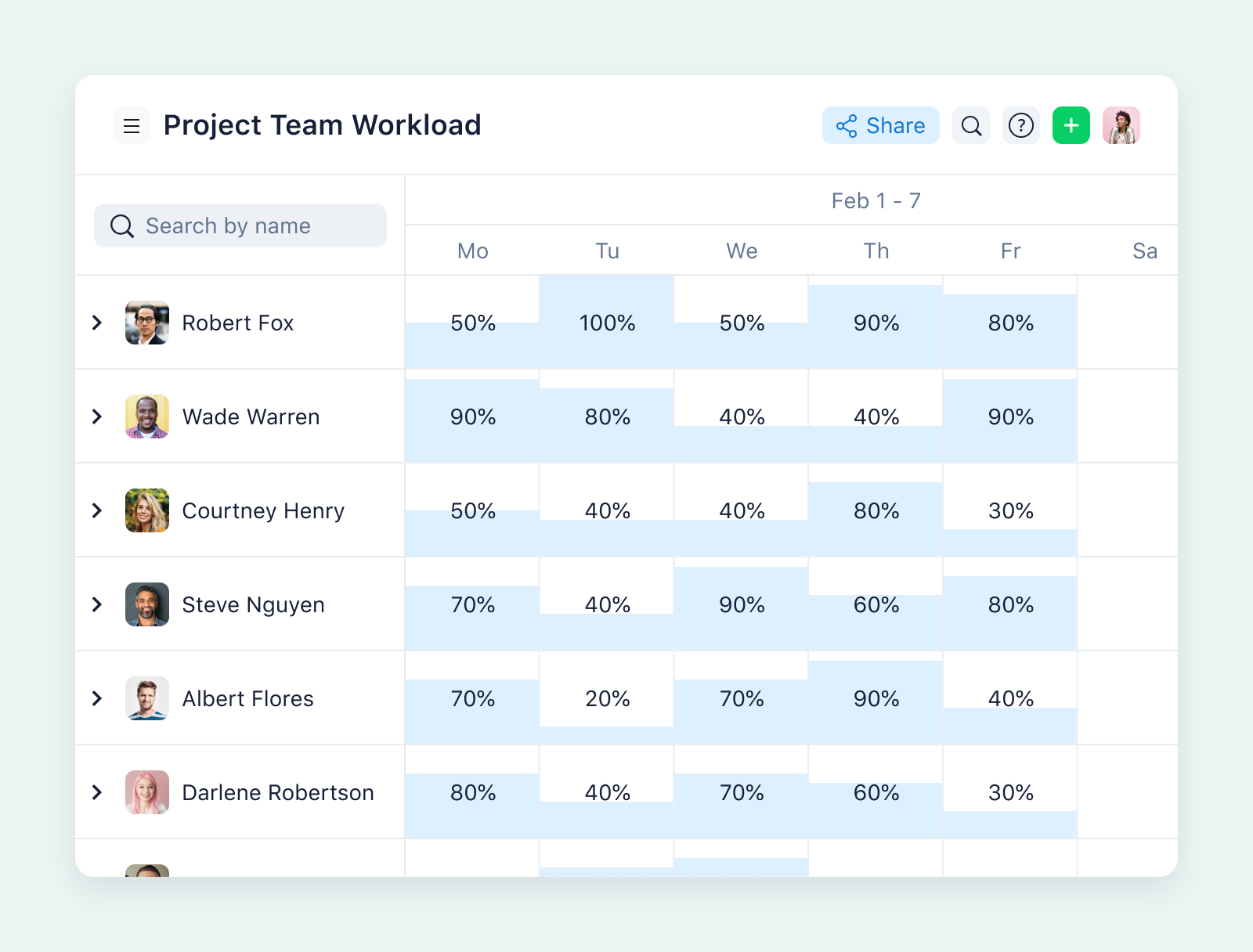
- Effective Resource Management: Construction projects require careful management of resources, including labor, equipment, and materials. Construction project management software helps optimize resource allocation, track inventory, and prevent shortages.
- Streamlined Document Management: Construction projects generate a vast amount of documentation, including blueprints, contracts, permits, and change orders. These platforms provide centralized document repositories, version control, and access control features.
- Real-time Cost Tracking and Budgeting: Managing project costs is crucial for profitability. Construction project management software offers tools for tracking expenses, monitoring budgets, and generating financial reports.
- Risk Management: Construction projects are inherently risky. Construction project management software helps identify potential risks, assess their impact, and develop mitigation strategies.
Essential Features to Look For
When evaluating construction project management software, consider these essential features:
- Project Scheduling: Gantt charts, critical path analysis, and resource leveling capabilities are essential for effective project scheduling.
- Task and Milestone Tracking: Real-time tracking of task progress and milestone completion ensures that projects stay on schedule.
- Document Management: A centralized document repository with version control and access control features is crucial for managing project documentation.
- Resource and Labor Planning: Tools for allocating resources, tracking labor hours, and managing equipment are essential for optimizing resource utilization.
- Budgeting and Cost Control: Features for tracking expenses, monitoring budgets, and generating financial reports are crucial for managing project costs.
- Punch Lists: Streamlined punch list management helps ensure that all deficiencies are identified and resolved before project completion.
- Real-time Communication: Integrated messaging, file sharing, and video conferencing capabilities facilitate seamless communication between all stakeholders.
The Advantages of a Unified Platform
Opting for a single, integrated construction project management platform offers significant advantages over using multiple, disconnected tools. A unified platform centralizes scheduling, tracking, and communication, fostering alignment and reducing errors caused by disparate systems. This streamlined approach enhances efficiency and provides a single source of truth for all project-related information.
Boosting Operational Efficiency
Construction project management software enhances operational efficiency by automating tasks, minimizing manual work, and improving communication. This enables teams to plan more accurately, optimize resource utilization, and make informed decisions, ultimately leading to increased productivity and profitability.
Making the Right Choice
Selecting the right construction project management software is a critical decision that can significantly impact the success of your projects. Carefully evaluate your specific needs, consider the essential features outlined above, and choose a platform that aligns with your organization's size, complexity, and budget. Investing in the right software can transform your construction operations, driving efficiency, profitability, and client satisfaction.
Related Tools
Related Articles
Beyond Policy: How Wrike's 'Women of Wrike' Initiative Empowers Female Professionals
Wrike's 'Women of Wrike' (WoW) initiative is an employee-led program empowering female professionals through mentorship, workshops, and networking. WoW addresses challenges women face in career advancement, fostering a supportive environment and promoting equity within the company.
Bridging the Gap: Integrating Construction Project Management with QuickBooks for Financial Harmony
Integrating project management software with QuickBooks streamlines financial workflows, reduces errors, and enhances communication for construction teams. Key features to consider include job-level tracking, progress invoicing, and time-based labor cost allocation.
Wrike Streamlines Franchise Onboarding for Buzz Franchise Brands, Boosting Efficiency
Buzz Franchise Brands streamlined its franchise onboarding process using Wrike, transforming a fragmented, multi-platform system into efficient, centralized workflows. This resulted in significant time savings, improved task tracking, and enhanced visibility across teams, enabling the company to scale its franchise operations more effectively.