AI-Powered Project Management: Transforming Teams in 2026 and Beyond
By 2026, AI-powered project management tools will be essential, offering predictive analysis, resource allocation, and automated reporting. Choosing the right platform can significantly boost team efficiency and strategic goal achievement.
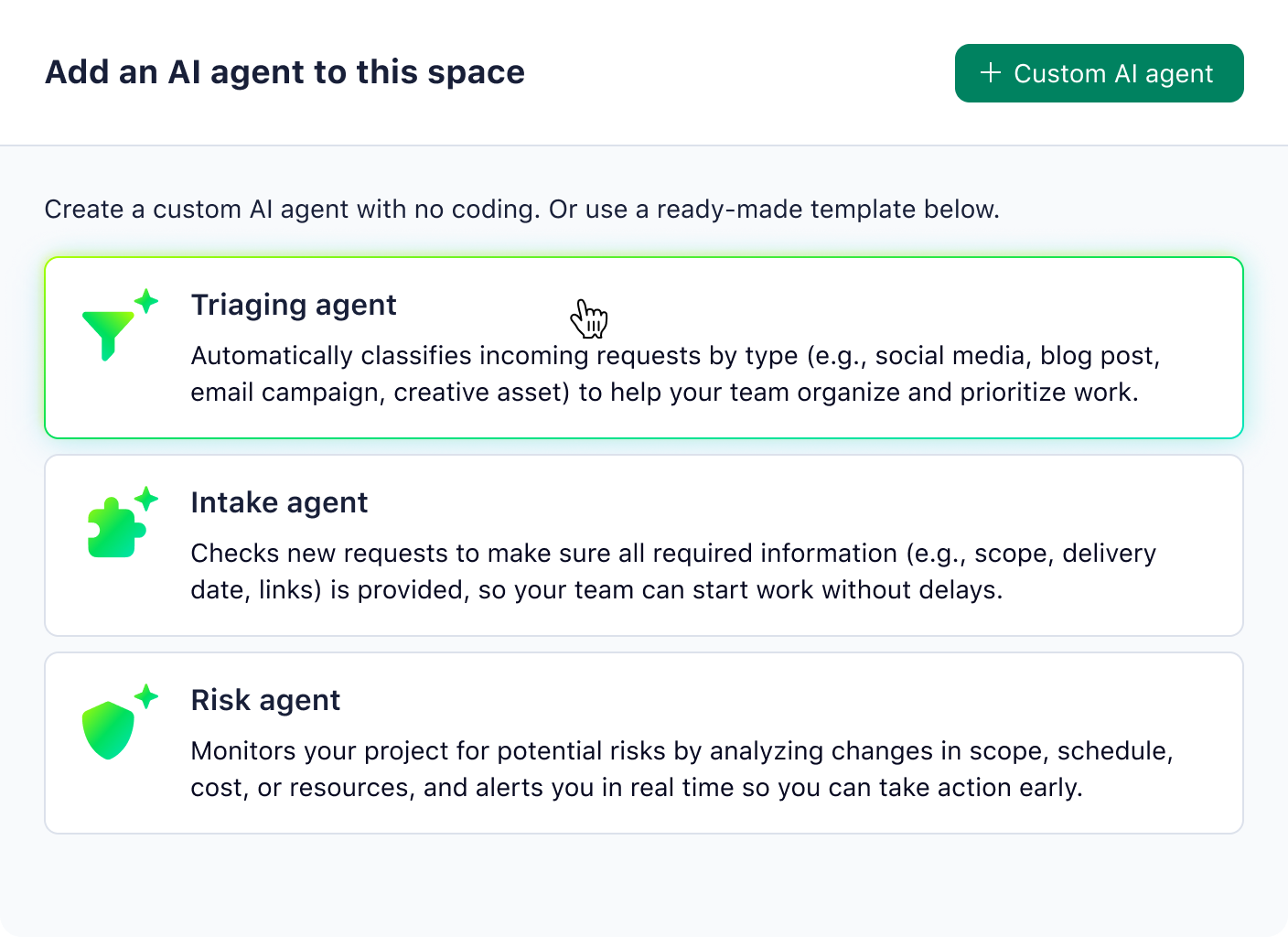
The project management landscape is rapidly evolving, and by 2026, relying on traditional, manual methods will leave teams struggling to compete. The shift towards AI-powered project management tools is no longer a futuristic concept; it's a present-day necessity. These advanced platforms are moving beyond simple task tracking, evolving into sophisticated systems capable of predictive analysis, intelligent resource allocation, and automated reporting. For professionals selecting software tools, understanding these advancements is crucial for driving efficiency and achieving strategic goals.
The new generation of AI project management tools is designed to be more than just digital assistants; they act as strategic partners. By leveraging capabilities like agentic autonomy and machine learning, these tools can significantly reduce the burden of repetitive tasks, freeing up project managers and team members to concentrate on high-level strategy and critical decision-making.
Key Capabilities of AI Project Management Software
AI fundamentally transforms static project management into a dynamic, predictive ecosystem. The core objective is to create a digital engine that anticipates needs and proactively addresses potential roadblocks. Here are some of the key areas where AI is making a significant impact:
- Predictive Analytics and Risk Management: AI algorithms analyze historical data and current project parameters to forecast potential risks and delays, allowing project managers to take proactive measures.
- Work Triage: AI can automatically prioritize incoming tasks and requests, ensuring that the most critical items are addressed first.
- Resource Allocation: By analyzing team member skills, availability, and project requirements, AI can optimize resource allocation, ensuring that the right people are working on the right tasks.
- Autonomous Task Orchestration: AI can automate the execution of routine tasks, streamlining workflows and reducing the risk of human error.
- Operational Governance: AI provides real-time visibility into project progress, helping to ensure that projects stay on track and within budget.
- Knowledge Synthesis: AI can synthesize information from various sources, providing project managers with a comprehensive understanding of the project landscape.
- Automated Reporting: AI automates the creation of project reports, freeing up project managers from time-consuming administrative tasks.
- Strategic Decision Support: By providing data-driven insights, AI helps project managers make more informed decisions.
Evaluating AI Project Management Tools: Key Considerations
Selecting the right AI project management tool requires careful consideration of several factors. Here are some critical pillars to evaluate:
- Agentic Autonomy: Look for tools that can act as true digital teammates, capable of triaging requests, assigning work based on skill sets, and notifying stakeholders without manual intervention. The goal is AI that proactively manages tasks, not just assists with them.
- Human-Centric Forecasting: Static workload views are becoming obsolete. The best platforms now incorporate sentiment analysis and workflow analysis to provide a more nuanced understanding of team capacity and potential bottlenecks. This allows for more accurate forecasting and proactive adjustments.
- Tactical Governance: AI should enhance, not replace, human oversight. The ideal tool provides a balance between automation and control, allowing project managers to maintain visibility and intervene when necessary.
- Enterprise Security: Data security is paramount. Ensure that the chosen platform offers robust security features, including encryption, access controls, and compliance certifications.
The Competitive Landscape: Leading Platforms
Several project management platforms are leading the charge in AI integration. While each tool offers a unique set of capabilities, some consistently stand out for their advanced AI features and comprehensive project management functionalities.
Wrike, for example, is known for its robust AI agents that automate tasks and provide predictive insights. Its AI capabilities extend to risk prediction and resource optimization, making it a strong choice for complex projects.
Asana also offers AI-powered features such as smart task assignment and automated progress updates. These features are designed to streamline workflows and improve team collaboration.
ClickUp is another contender, offering AI tools for task prioritization and time management. Its AI-driven insights help teams identify bottlenecks and optimize their processes.
Monday.com provides AI-powered automation and reporting features, enabling teams to track progress and identify areas for improvement. Its visual interface and customizable workflows make it a user-friendly option.
Notion offers a flexible platform with AI capabilities that can be tailored to various team needs. Its AI features include content generation, task management, and knowledge organization, making it a versatile choice for diverse projects.
Conclusion: Embracing the Future of Project Management
As we move closer to 2026, the adoption of AI in project management will only accelerate. Organizations that embrace these technologies will gain a significant competitive advantage by improving efficiency, reducing costs, and fostering innovation. The key is to carefully evaluate the available tools, considering the specific needs and priorities of your team. By selecting the right AI-powered project management platform, you can transform your projects from reactive exercises into proactive, data-driven endeavors.
Related Tools
Related Articles
Beyond Policy: How Wrike's 'Women of Wrike' Initiative Empowers Female Professionals
Wrike's 'Women of Wrike' (WoW) initiative is an employee-led program empowering female professionals through mentorship, workshops, and networking. WoW addresses challenges women face in career advancement, fostering a supportive environment and promoting equity within the company.
Bridging the Gap: Integrating Construction Project Management with QuickBooks for Financial Harmony
Integrating project management software with QuickBooks streamlines financial workflows, reduces errors, and enhances communication for construction teams. Key features to consider include job-level tracking, progress invoicing, and time-based labor cost allocation.
Wrike Streamlines Franchise Onboarding for Buzz Franchise Brands, Boosting Efficiency
Buzz Franchise Brands streamlined its franchise onboarding process using Wrike, transforming a fragmented, multi-platform system into efficient, centralized workflows. This resulted in significant time savings, improved task tracking, and enhanced visibility across teams, enabling the company to scale its franchise operations more effectively.