Streamlining Marketing: Choosing the Right Campaign Management Software
Marketing campaign management software should be the central hub for a marketing team’s operations, bringing campaign metrics, task statuses, and team communications together in one unified workspace. Choosing the right software can improve a marketing team's efficiency, collaboration, and overall performance.
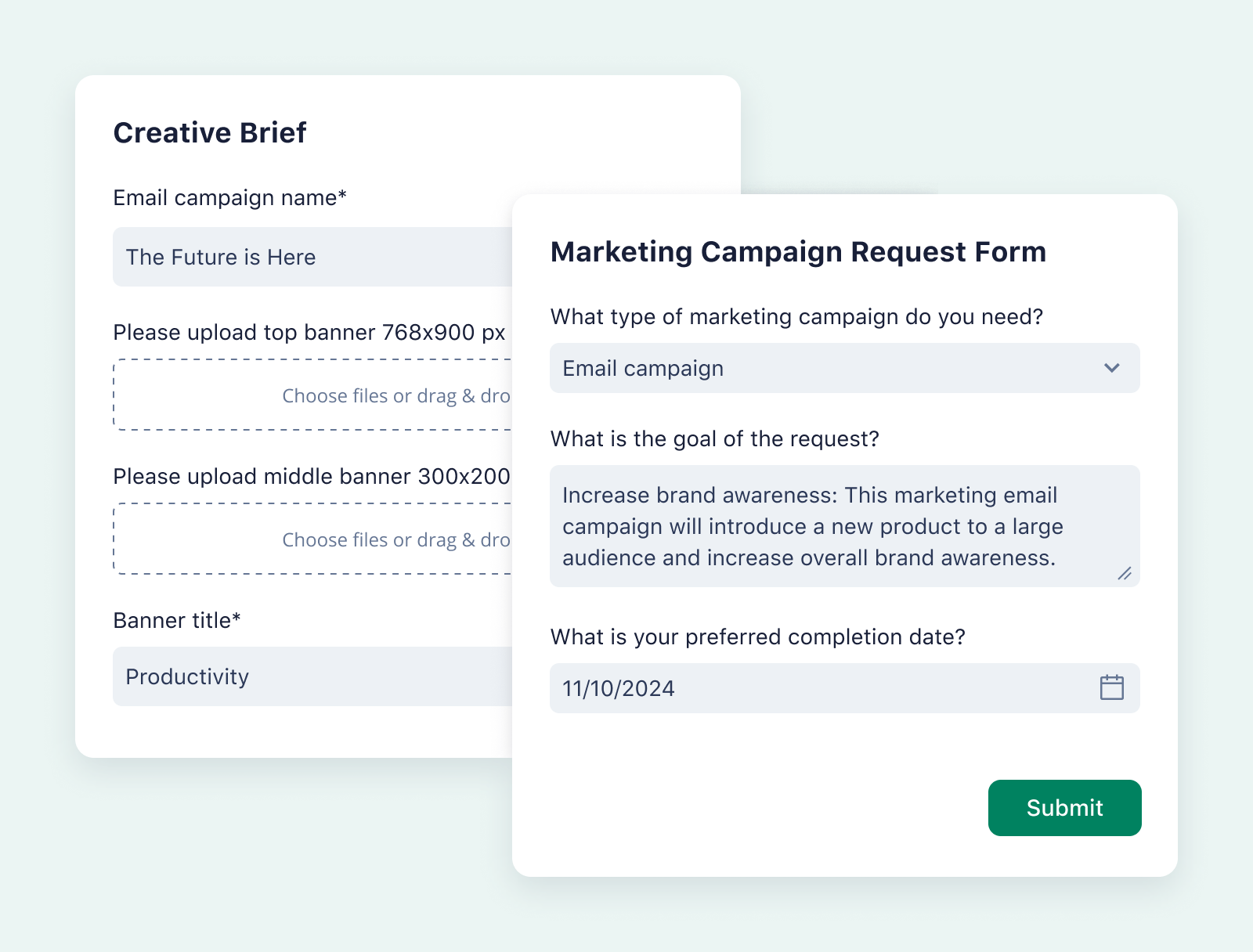
Marketing campaign management software aims to be the central nervous system for marketing teams, uniting campaign metrics, task statuses, and team communications within a single workspace. However, the reality often involves a fragmented landscape of tools that can hinder efficiency and visibility.
The Pitfalls of a Disconnected Tool Stack
Many believe that building a comprehensive campaign management system requires stacking multiple specialized tools. While this might suffice for smaller campaigns with limited cross-channel or cross-team collaboration, scaling up introduces complexities. A poorly chosen mix of tools can limit visibility, slow down workflows, and ultimately compromise team collaboration and project goals.
Whether it’s an ever-expanding stack of software that forces your team to juggle platforms, or entry-level tools that can’t grow with you, a poor foundation can really compromise your team’s collaboration; and your project goals. Consider the frustrations of constantly switching between platforms, manually consolidating data, and struggling to maintain consistent communication across teams.
Essential Features to Look For
When evaluating marketing campaign management software, focus on tools that offer:
- Multichannel Automation: Automate repetitive tasks across various channels like email, social media, and SMS to free up valuable time and resources.
- Content Workflow Management: Streamline the creation, review, and approval of marketing content.
- Asset Management: Centralize and organize all marketing assets, ensuring easy access and version control.
- Advanced Analytics and Reporting: Gain deep insights into campaign performance with comprehensive analytics and customizable reports.
- Collaboration Features: Look for features that allow teams to easily share files, discuss ideas, and track progress.
Beyond the Basics: Choosing the Right Fit
The best marketing campaign management platform depends on your specific needs, goals, and the complexity of your campaigns. Consider these factors when making your selection:
- Team Size: Some tools are better suited for small teams, while others are designed for larger organizations.
- Campaign Complexity: If you run complex, multi-channel campaigns, you'll need a more robust platform.
- Integration Requirements: Ensure the software integrates seamlessly with your existing tools and systems.
- Budget: Marketing campaign management software varies widely in price. Determine your budget upfront and look for solutions that fit your needs without breaking the bank.
Project Management Platforms for Marketing Teams
Project management tools can be a good fit for marketing teams looking to unify team communications, track tasks and projects, and gather performance insights in a single platform.
Making the Right Choice
Investing in the right marketing campaign management software can significantly improve your team's efficiency, collaboration, and overall performance. By carefully evaluating your needs and considering the features and factors outlined above, you can choose a solution that empowers your team to achieve its goals.
Related Tools
Related Articles
Beyond Policy: How Wrike's 'Women of Wrike' Initiative Empowers Female Professionals
Wrike's 'Women of Wrike' (WoW) initiative is an employee-led program empowering female professionals through mentorship, workshops, and networking. WoW addresses challenges women face in career advancement, fostering a supportive environment and promoting equity within the company.
Bridging the Gap: Integrating Construction Project Management with QuickBooks for Financial Harmony
Integrating project management software with QuickBooks streamlines financial workflows, reduces errors, and enhances communication for construction teams. Key features to consider include job-level tracking, progress invoicing, and time-based labor cost allocation.
Wrike Streamlines Franchise Onboarding for Buzz Franchise Brands, Boosting Efficiency
Buzz Franchise Brands streamlined its franchise onboarding process using Wrike, transforming a fragmented, multi-platform system into efficient, centralized workflows. This resulted in significant time savings, improved task tracking, and enhanced visibility across teams, enabling the company to scale its franchise operations more effectively.