Autonomous Code Generation: Mattermost's AI-Driven Backlog Automation
Mattermost is experimenting with AI coding agents to automate development tickets, using tools like n8n and Cursor Automations. This system aims to increase efficiency and reduce manual effort in software development workflows.
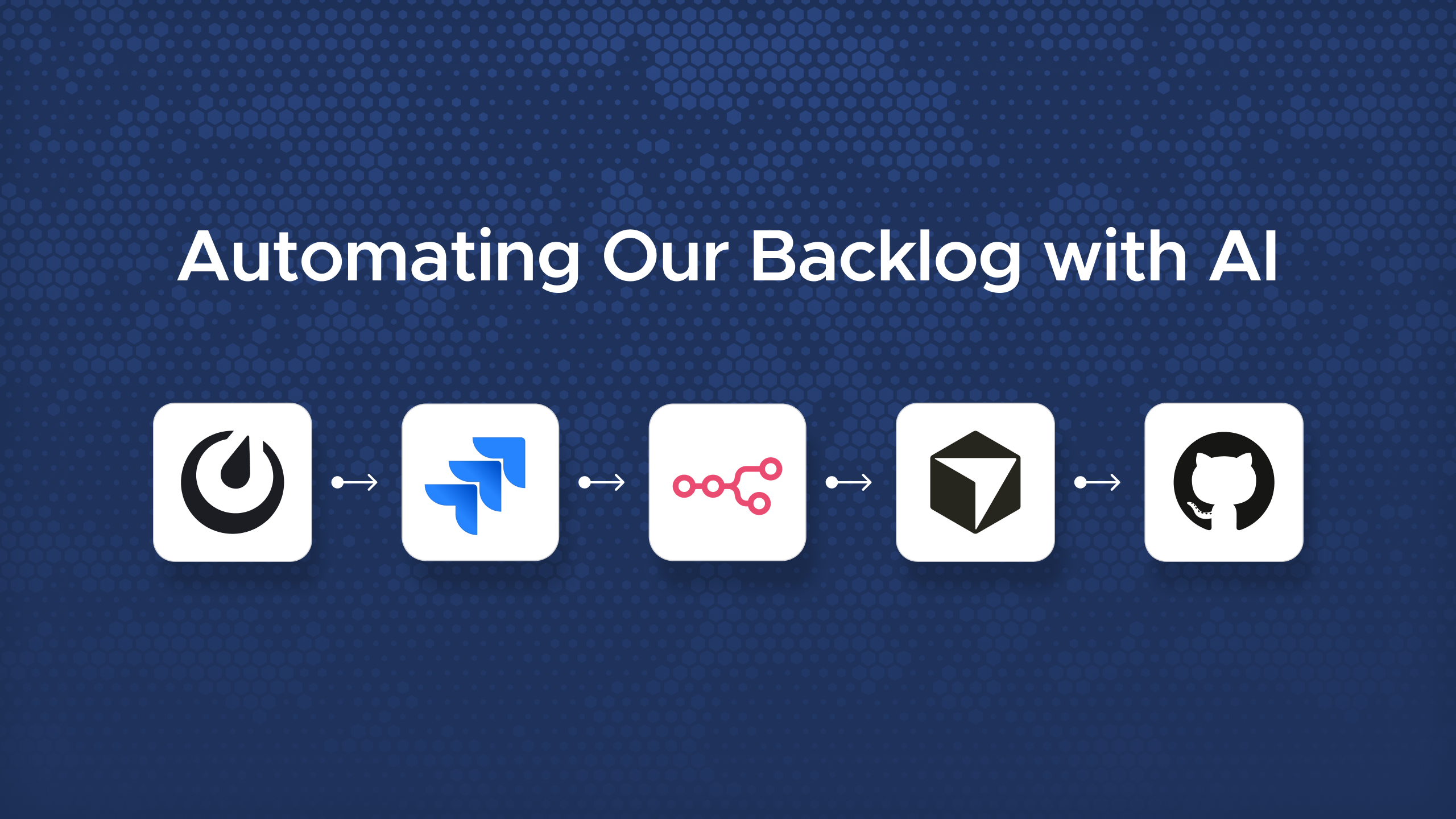
The quest for efficient software development workflows has led to innovative solutions, and one particularly compelling approach involves automating backlog management with AI. Mattermost, the open-source collaboration platform, has been experimenting with a system that uses AI coding agents to autonomously work through development tickets, significantly reducing the need for human intervention in the early stages of the development lifecycle.
The core challenge lies in bridging the gap between the potential of AI coding agents and their reliable application to real-world backlogs. While these agents excel at generating code from well-defined tasks, orchestrating their efforts across an entire backlog requires careful planning and robust infrastructure. The key is to provide the AI with the right context, manage its access to resources, and guide it through the complete task lifecycle, from initial ticket assignment to pull request creation.
Building the Automated Pipeline
Mattermost's solution leverages a combination of tools to create a fully automated pipeline:
- Mattermost: Serves as both the entry point and feedback mechanism. Team members can use an internal AI agent to request work, which then triggers the creation of a Jira ticket. Notifications about completed pull requests are also delivered through Mattermost.
- Jira: Acts as the central repository for development tasks. Tickets designated for automation are automatically picked up when their status changes to "Selected for Development."
- n8n: Provides the orchestration layer, filtering incoming tickets, queuing them for processing, and triggering the AI agent. It also exposes a set of tools for the agent to interact with, handling integration with Jira, GitHub, and other systems.
- Cursor Automations: Provides the execution environment for the AI agent. This cloud-sandboxed agent autonomously claims tickets, writes code, runs tests, and opens pull requests.
- GitHub: Hosts the generated code. The agent opens draft pull requests, and n8n marks them as ready for review once the associated ticket lifecycle is complete.
The Role of Orchestration
n8n plays a crucial role in the architecture, acting as an intermediary between the various systems and the AI agent. It provides ticket queuing, filtering, and state management capabilities, ensuring that the agent always has access to the right information and tools. Critically, n8n also provides tightly scoped tools that prevent the agent from straying beyond its intended task, exposing a clean interface that simplifies the agent's interactions with external systems. This approach avoids the complexity of relying on the AI's language model to follow intricate instructions, instead providing structured capabilities for task execution.
Key Benefits and Considerations
This automated backlog management system offers several key benefits:
- Increased Efficiency: By automating routine coding tasks, developers can focus on more complex and creative work, boosting overall team productivity.
- Reduced Manual Effort: The system eliminates the need for manual ticket assignment and pull request creation, freeing up valuable time for developers and project managers.
- Improved Consistency: Automating the coding process can lead to more consistent code quality and adherence to coding standards.
- Faster Turnaround Times: By accelerating the development process, the system can help teams deliver features and bug fixes more quickly.
However, there are also some important considerations to keep in mind when implementing such a system:
- Ticket Quality: The AI agent's performance depends heavily on the quality of the Jira tickets. Clear, concise, and well-defined tickets are essential for successful automation.
- Testing and Validation: Thorough testing and validation are crucial to ensure that the AI-generated code is correct and meets the required standards.
- Monitoring and Maintenance: The automated pipeline requires ongoing monitoring and maintenance to ensure that it is functioning correctly and to address any issues that may arise.
- Security: Secure sandboxes and carefully managed access are critical when dealing with automated systems that can modify code.
Implications for Software Development
Mattermost's experiment highlights the growing potential of AI in software development. By automating routine tasks and providing developers with intelligent assistance, AI can help teams become more efficient, productive, and innovative. As AI technology continues to evolve, we can expect to see even more sophisticated applications of AI in software development, transforming the way software is built and delivered. The integration of tools such as Jira, n8n, and Cursor Automations showcases a potential future where AI agents collaborate seamlessly with human developers to deliver high-quality software more efficiently.
Related Tools
Related Articles
EU's Cyber Resilience Act: A New Era for Software Security and Open Source
The EU's Cyber Resilience Act (CRA) is set to revolutionize software security standards, demanding security-by-design for all digital products in the EU market. This legislation impacts everyone from consumer gadgets to critical infrastructure, shifting responsibility to manufacturers and raising key questions for open-source projects.
Government Agencies Warn Against Using Consumer Messaging Apps for Official Communications
European intelligence agencies are warning against the use of consumer messaging apps like Signal and WhatsApp for government communications due to security vulnerabilities. Enterprise-grade messaging platforms with robust security features and administrative controls are recommended as a safer alternative.
Bridging the Divide: Integrating Security and Usability in Software Selection
Many organizations struggle to balance software usability with robust security, often leading to shadow IT and workflow fragmentation. By integrating security considerations early in the software selection process, organizations can create a virtuous cycle where usability and control reinforce each other, empowering employees with the tools they need while maintaining the highest standards of data protection.